Strength Training
Dumbbell Overhead Triceps Extension
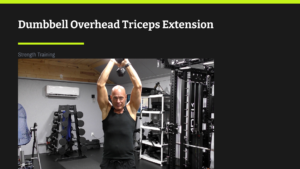
The overhead triceps extension trains the back of the upper arm — the muscle you use to straighten the elbow. Holding the weight overhead puts a long stretch on the triceps.
The overhead triceps extension trains the back of the upper arm — the muscle you use to straighten the elbow. Holding the weight overhead puts a long stretch on the triceps.
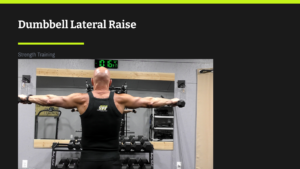
The lateral raise trains the side of the shoulder — the muscle that lifts your arm out to the side. It is a small, controlled movement, not a heavy swing.
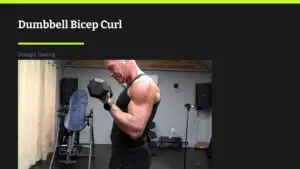
The dumbbell bicep curl trains the front of the upper arm — the muscle you use to bend the elbow. It also challenges the forearm as you hold the handles.
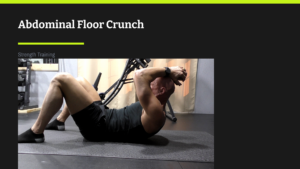
The floor crunch trains the front of the core — the muscles that curl the ribcage toward the hips. It is a small, controlled curl, not a sit-up.
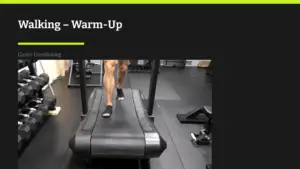
A warm-up walk raises body temperature, gets blood moving, and tells the joints you are about to work. It is not the workout. It is the on-ramp.
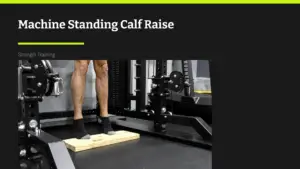
The standing calf raise trains the larger calf muscle (gastrocnemius) because the knee stays straight. Strong calves help you walk, climb stairs, and stay springy on your feet.
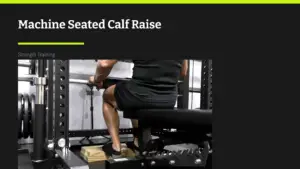
The seated calf raise trains the deeper calf muscle (soleus) because the knee is bent. That muscle matters for walking, standing, and keeping the lower leg resilient.
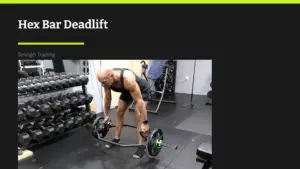
The hex bar deadlift trains the legs, glutes, and back together. Because you stand inside the bar, the weight stays closer to your body than a straight-bar deadlift, which makes it a strong, joint-friendly way to pick something heavy off the floor.
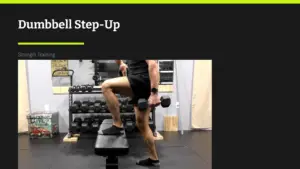
The dumbbell step-up trains the quads and glutes one leg at a time. It is one of the most practical lower-body movements we have because it looks exactly like climbing a step.
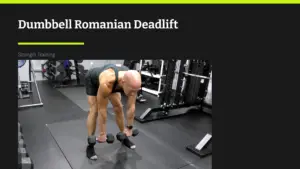
The dumbbell Romanian deadlift (RDL) trains the hamstrings, glutes, and the back of the body. It is a hinge — the hips move back while the legs stay fairly straight.