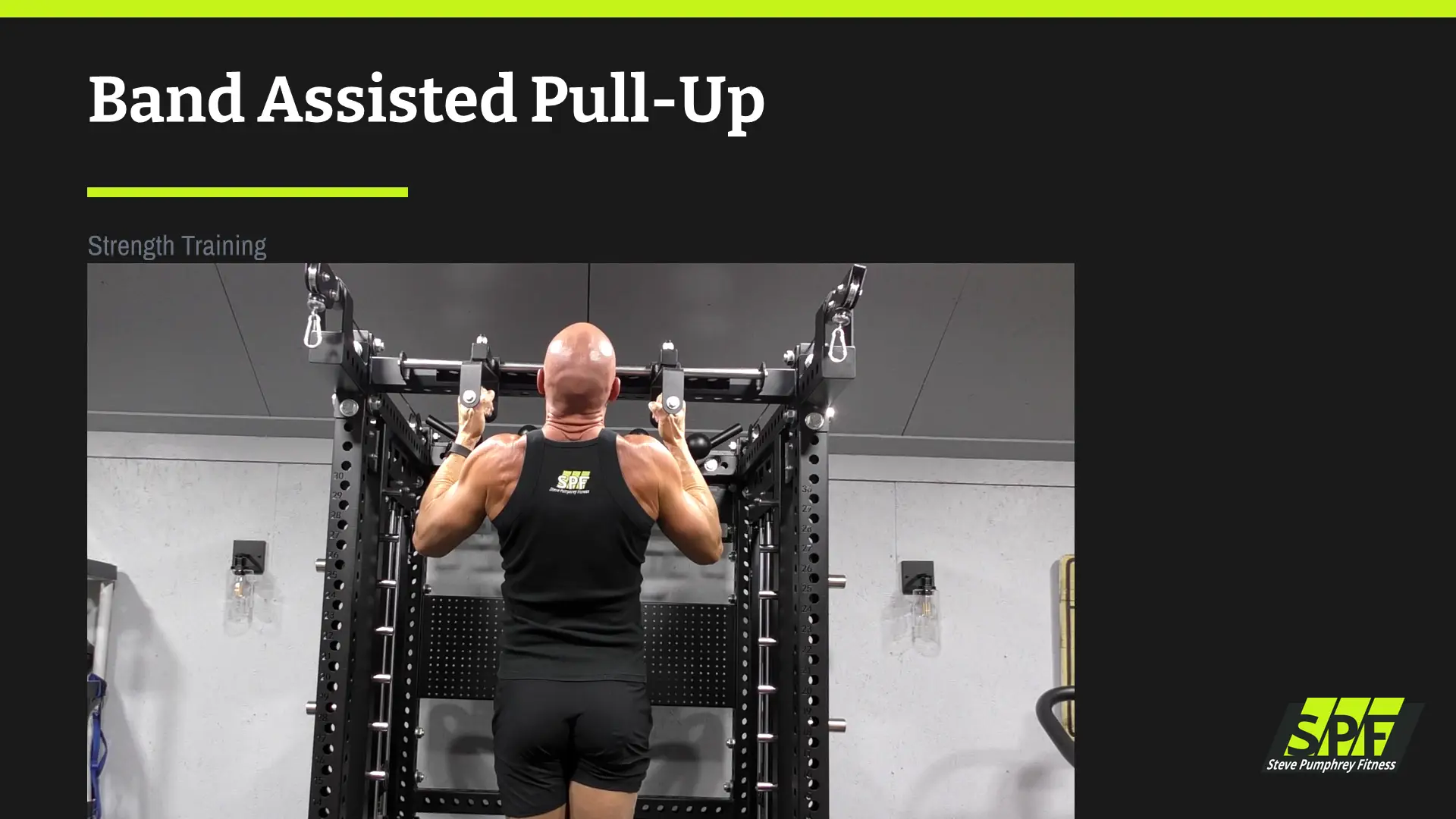
Band Assisted Pull-Up
The assisted pull-up trains the lats and upper back as you pull your body up toward a bar. The assistance (machine, band, or a partner) lets you practice the full movement before you can do unassisted pull-ups.
The assisted pull-up trains the lats and upper back as you pull your body up toward a bar. The assistance (machine, band, or a partner) lets you practice the full movement before you can do unassisted pull-ups.
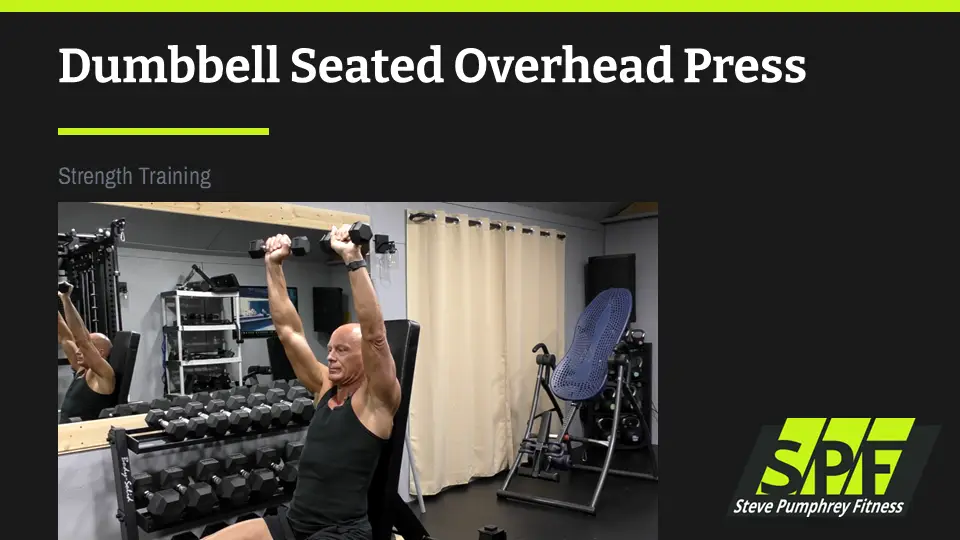
The seated dumbbell overhead press primarily trains the shoulders (especially the front and side delts) along with the triceps and upper chest. Sitting with the bench slightly reclined gives you a stable base and a more shoulder-friendly pressing angle.
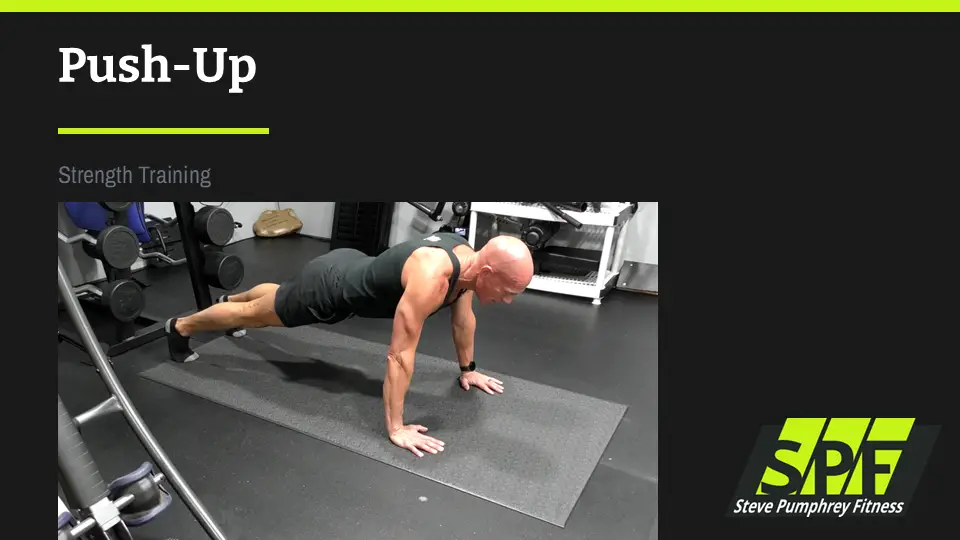
The push-up trains the chest, shoulders, and triceps while also demanding core stability. It is one of the most practical upper-body pushing movements you can do with zero equipment.
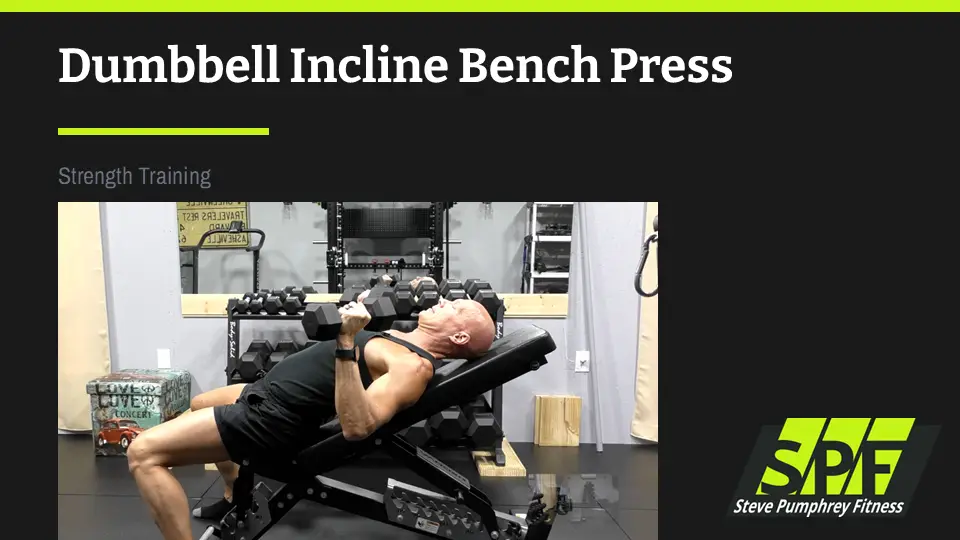
The dumbbell incline bench press emphasizes the upper portion of the chest along with the front of the shoulders and the triceps.
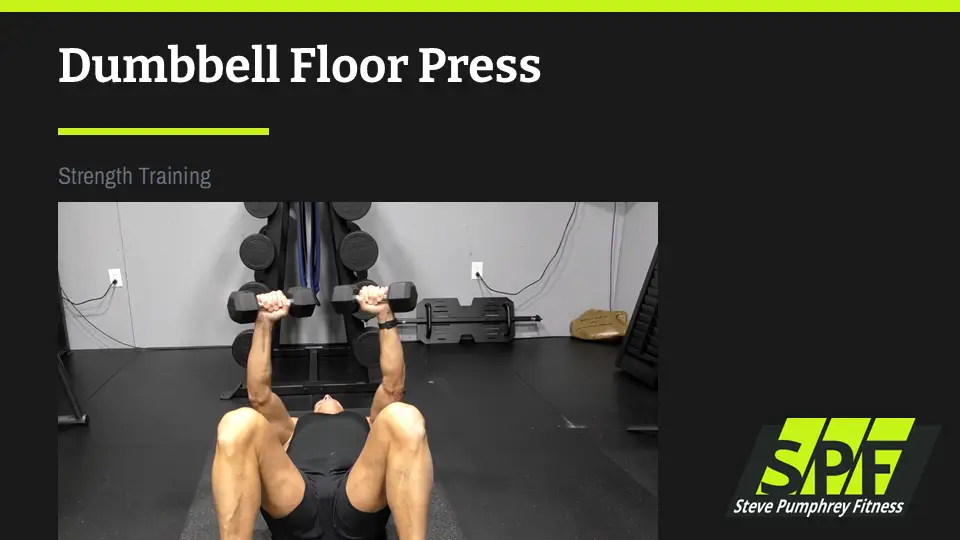
What It Works The dumbbell floor press trains the chest, front of the shoulders, and triceps. Because your upper arms stop when they touch the floor, it naturally limits range of motion and reduces stress on the shoulders. In everyday life this pattern shows up whenever you push something away from your body while lying down or when you need a safer, more controlled press — getting up from the floor, pushing a heavy object while on your back, or simply training the chest with less shoulder demand. How to Perform Lie on your back on the floor with knees bent and feet flat. Hold a dumbbell in each hand with arms extended above your chest. Lower the dumbbells under control until your upper arms lightly touch the floor. Keep elbows about 45 degrees from your body and wrists stacked. Pause briefly, then press the dumbbells back up. You can start the set by sitting up, placing the dumbbells on your thighs, and carefully rolling back into position. Setup & Movement – Quick Bullets Common Mistakes Common issues include letting the elbows flare wide, bouncing the upper arms off the floor, losing the stacked wrist position, and rushing the press without a controlled lower. Watch Out For Quick Fixes Key Cue Touch, pause, press. The floor gives you a natural stopping point. Use it. Control the touch, pause briefly, then drive the weights back up. Scaling Easier: Use lighter dumbbells or perform the movement with a single arm. Harder: Add a longer pause at the bottom or slow the eccentric.
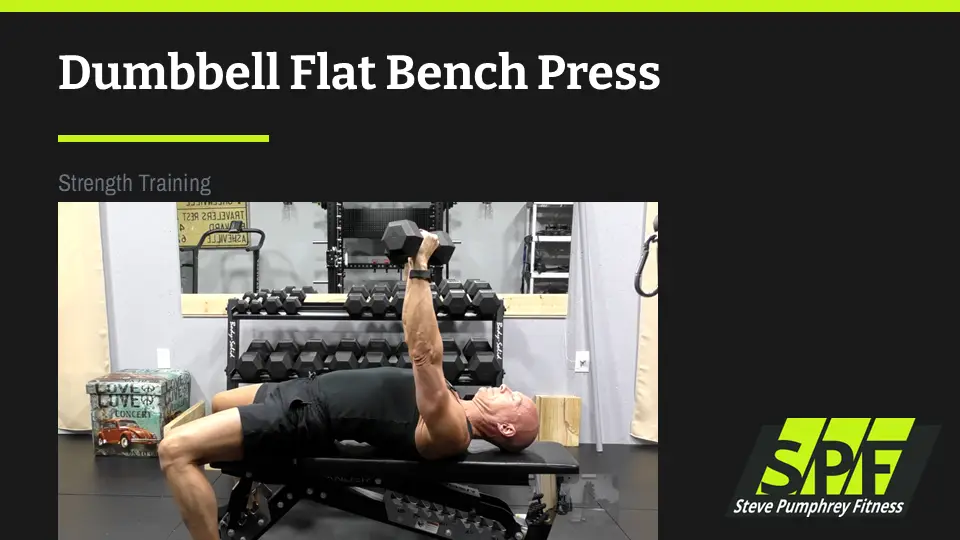
The dumbbell bench press primarily trains the chest (pectoralis major). It also involves the front of the shoulders and the triceps.
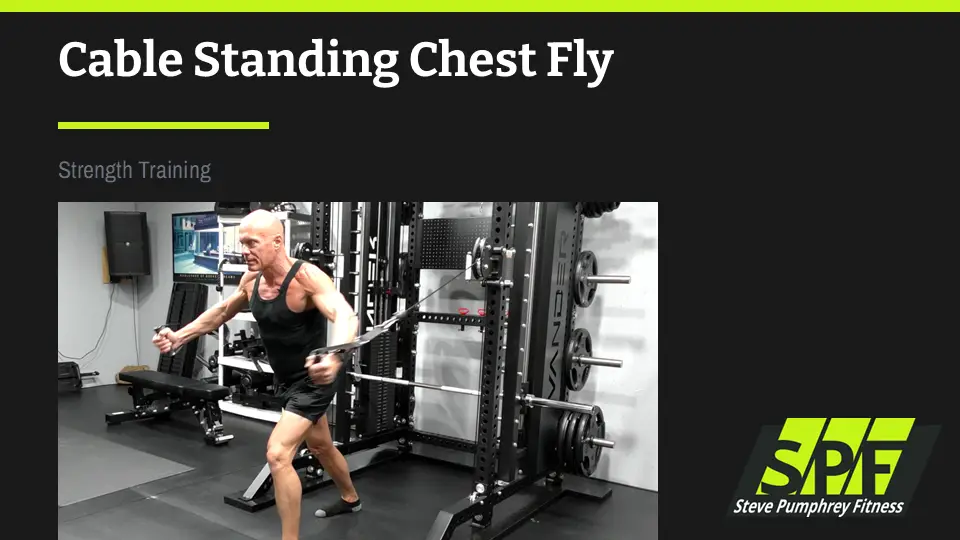
The cable fly primarily targets the chest (pectoralis major). It emphasizes the squeezing / horizontal adduction action of the chest with constant tension from the cables. The front of the shoulders and some upper-arm muscles also assist.
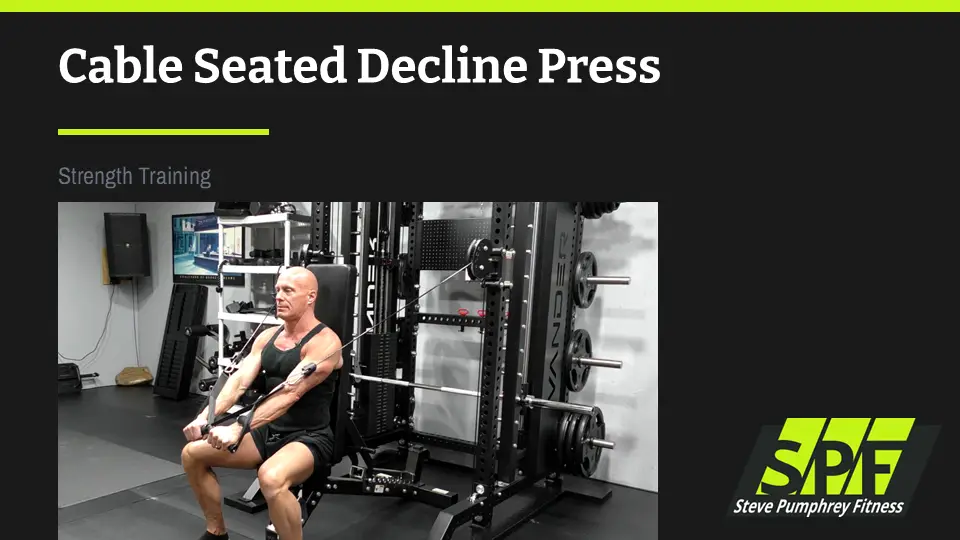
The seated cable decline press emphasizes the lower portion of the chest along with the front of the shoulders and the triceps. The downward pressing angle and constant cable tension make it a controlled, joint-friendly way to train that part of the chest.
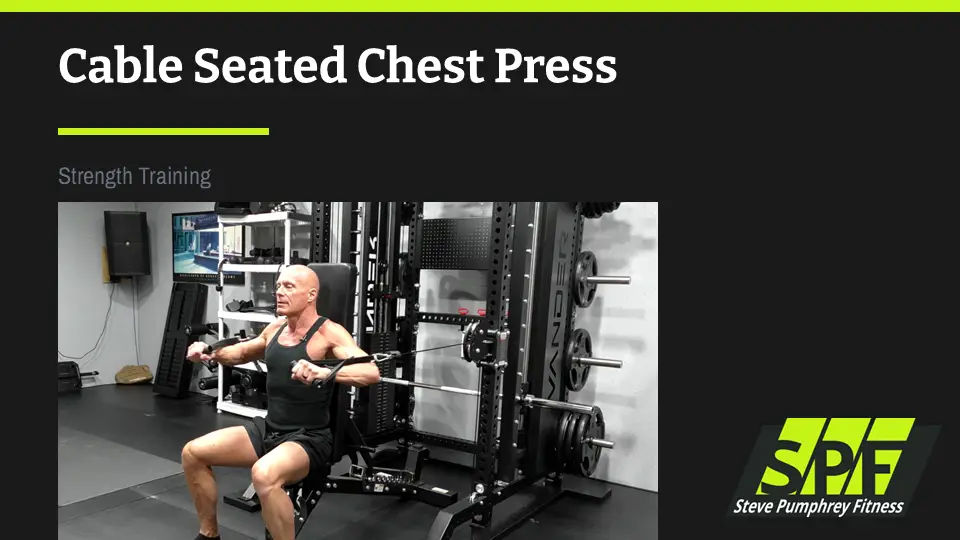
The seated cable chest press trains the chest, front of the shoulders, and triceps. Because you are seated with back support, you can focus on a controlled press with constant tension from the cables. It is a joint-friendly alternative to free-weight pressing.
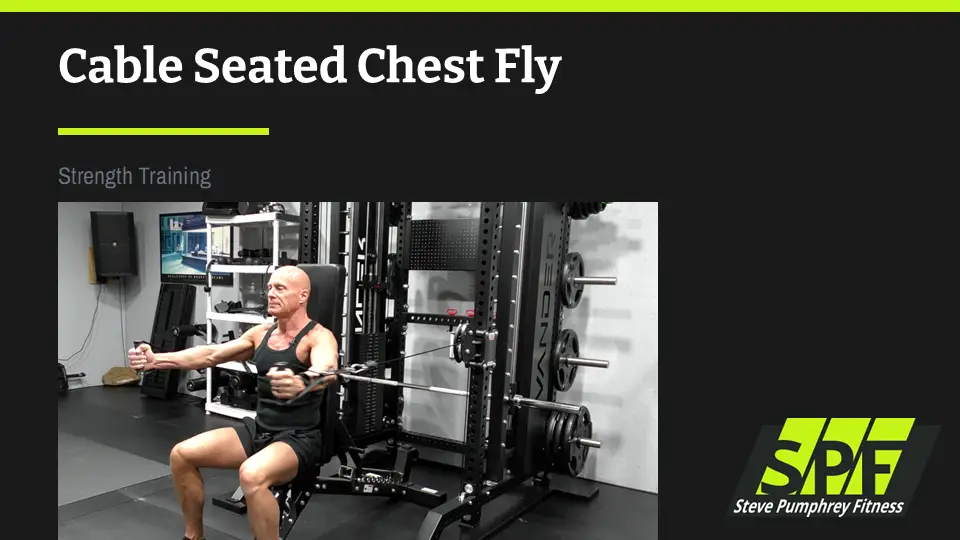
The seated cable chest fly primarily targets the chest (pectoralis major). Sitting removes the need to stabilize your lower body, so you can focus more purely on the chest squeeze. The front of the shoulders assist, and the cables provide constant tension throughout the movement.